Home / Hedge planting
Hedge planting in Derry
A new hedge gives you privacy, shelter from the wind and a living boundary that looks better every year. We help you choose the right hedge, prepare the ground and plant it properly.
What we do
- Help choosing the right hedge for your garden, soil and budget
- Old hedges, roots and weeds cleared out first
- Ground dug over and improved with compost before planting
- Plants set at the right spacing and depth, staked where needed
- Watered in, with simple aftercare advice so it takes
Once it’s growing, we can keep it trimmed on our regular hedge cutting rounds.

Hedge types explained
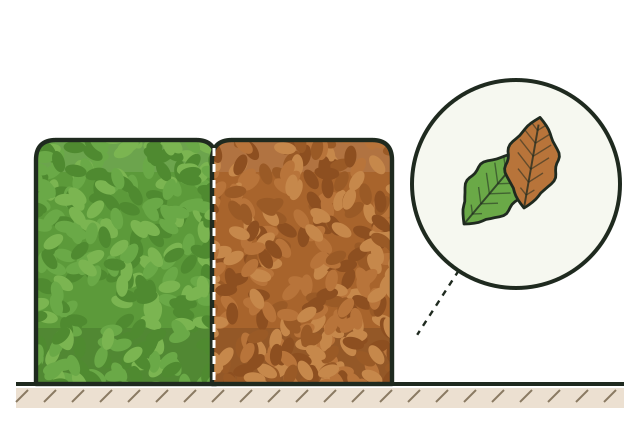
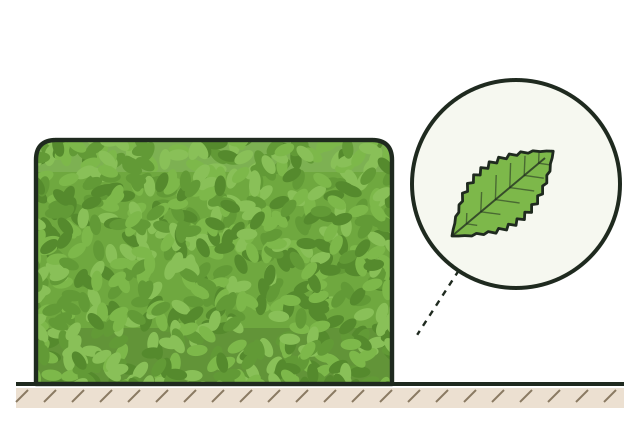
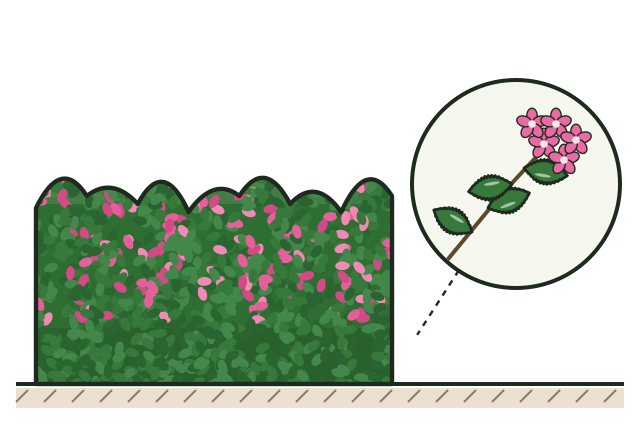
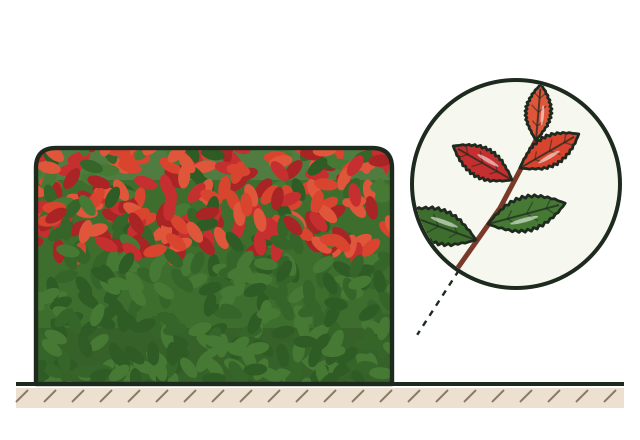
Here are the hedges we plant most around the north-west. The drawings give you an idea of the colour and leaf of each one, so you have some names to look up. Like a few? Tell us them all and we’ll help you pick.
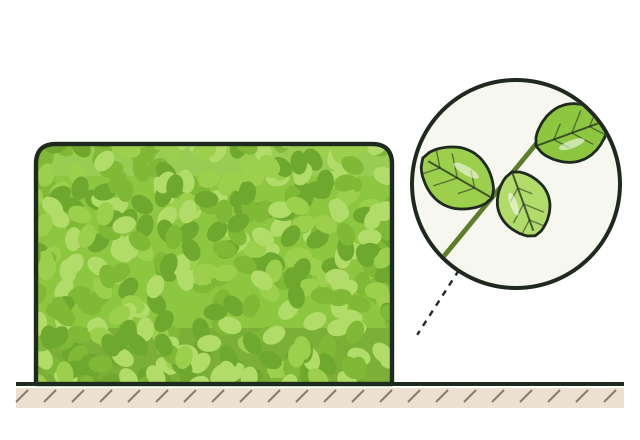
Griselinia
Evergreen · fairly fast
Bright apple-green, rounded glossy leaves. Very popular here, and copes well with wind and sea air.
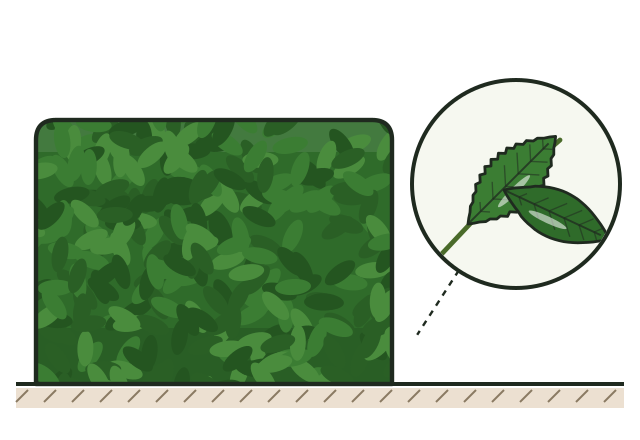
Cherry laurel
Evergreen · fast
Big, glossy dark-green leaves. Thick, tall privacy quickly. Needs room, as it grows wide.
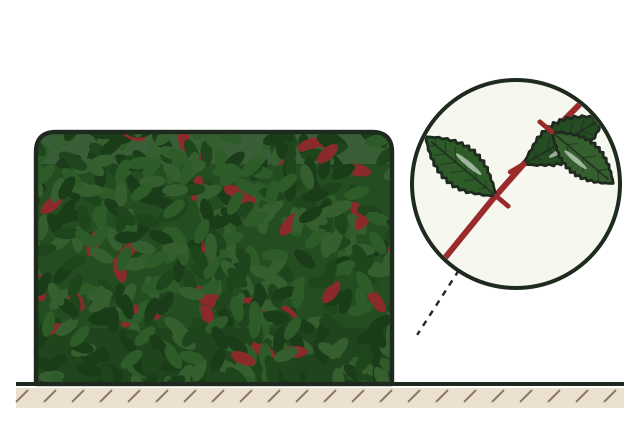
Portuguese laurel
Evergreen · medium
Smaller dark leaves on red stalks. A smarter, neater laurel that clips well into a formal shape.
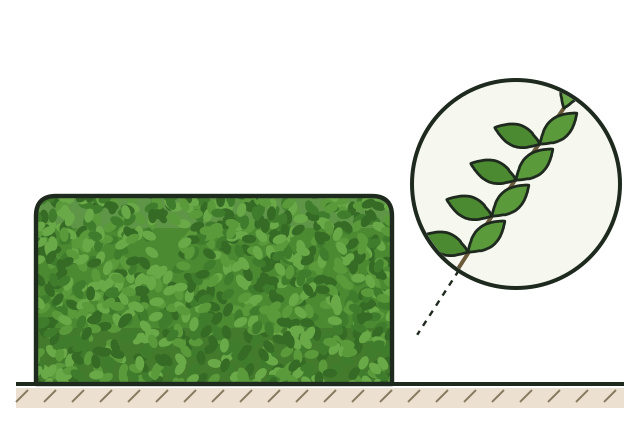
Privet
Evergreen (mostly) · medium
Small leaves, dense and tidy. The classic front-garden hedge, easy to keep low and neat.
Beech
Deciduous · medium
Fresh green in summer. Clipped beech keeps its copper-brown leaves through winter, so it still gives cover.
Hornbeam
Deciduous · medium
Ribbed, toothed leaves, like beech but tougher in heavy or wet ground. Often holds brown leaves in winter too.
Escallonia
Evergreen · medium
Small glossy leaves and pink flowers through summer. Great for coastal gardens and bees.
Photinia ‘Red Robin’
Evergreen · medium
Bright red new growth that turns green. Each trim brings back a flush of red.
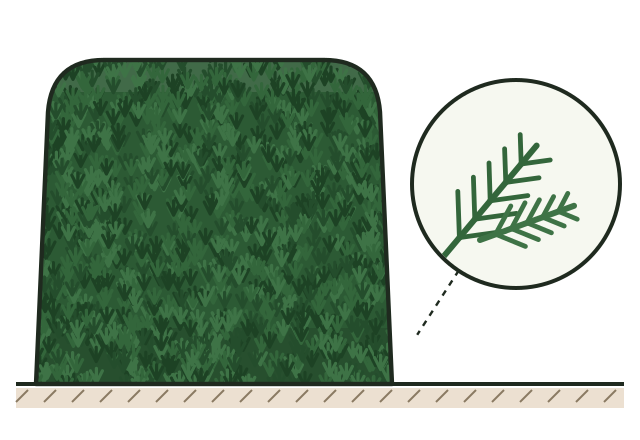
Leylandii
Evergreen conifer · very fast
The quickest tall screen there is. Needs cutting at least once a year, or it gets away from you.
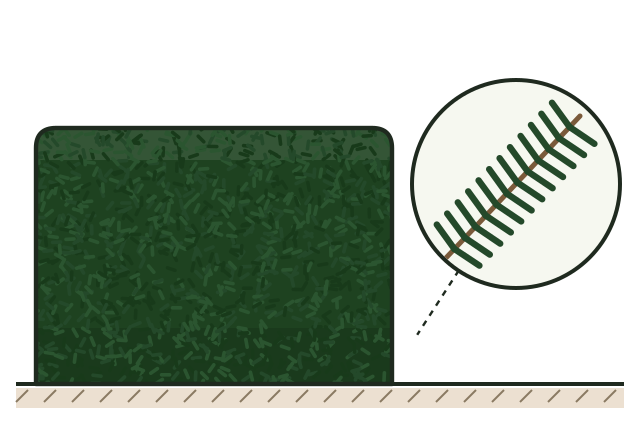
Yew
Evergreen conifer · slow
Fine, dark needles and a crisp formal finish. Slow to start, but the top-end hedge that lasts for generations.
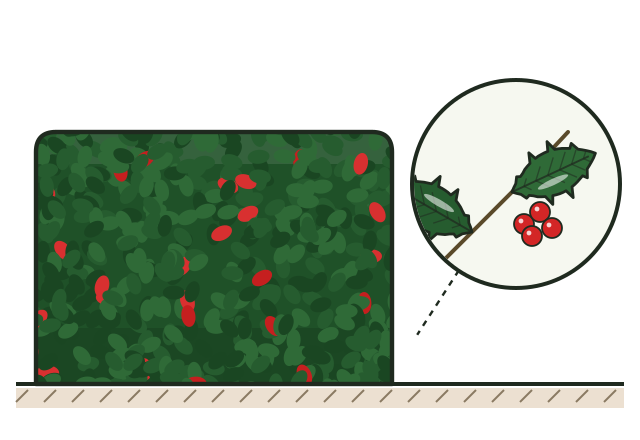
Holly
Evergreen · slow
Spiky leaves and red winter berries on female plants. A natural security hedge.
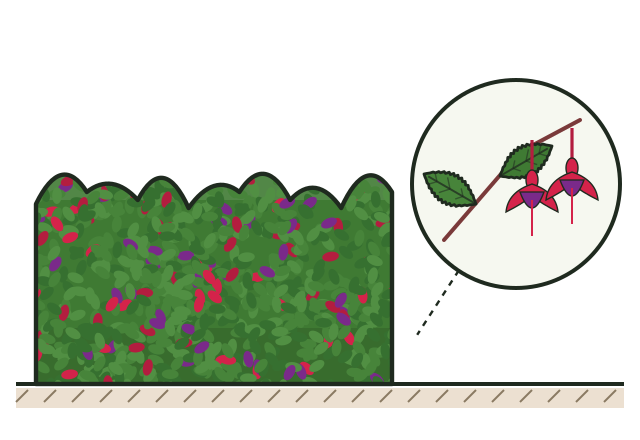
Fuchsia
Deciduous · medium
Red and purple hanging flowers from summer into autumn. The classic informal hedge of the north-west.
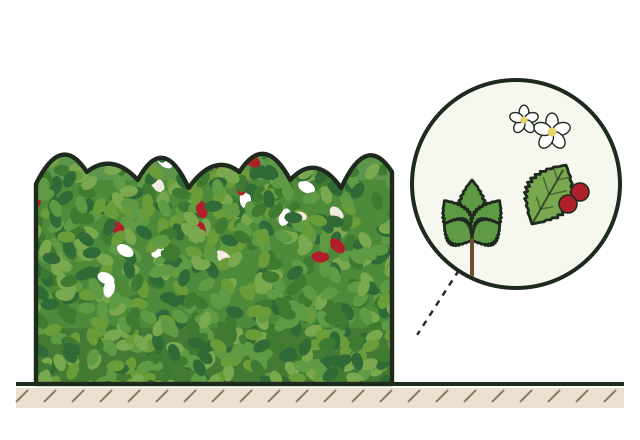
Mixed native hedge
Mostly deciduous · medium
A mix such as hawthorn, blackthorn, hazel and holly. White blossom, berries and great for wildlife. Ideal for field and country boundaries.
Plants are seasonal and stock changes between suppliers. If your first choice is short, we’ll tell you and suggest the closest match.
Plant sizes explained
The same hedge can be bought at different sizes. Smaller plants cost less but take longer to fill in. Bigger plants give you a hedge sooner, for a higher price.
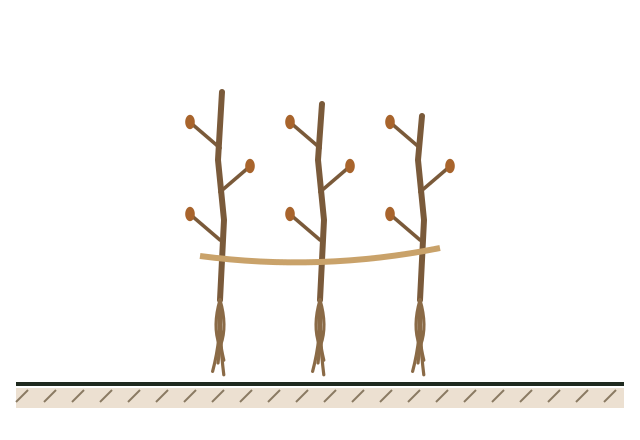
Bare-root whips
Young plants dug up while dormant and sold with no soil on the roots, usually knee to waist height. The cheapest way to plant a hedge, but only available in the dormant season, roughly November to March. Planted close together, often in a double row, and they take a few years to fill in.
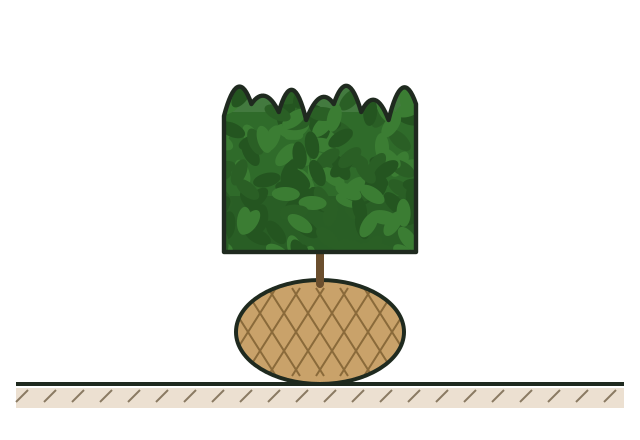
Root-balled
Bigger plants lifted from the field with a ball of soil wrapped in hessian. Mainly laurel, beech, yew and similar. More of a hedge from day one, and also planted in the cooler months.
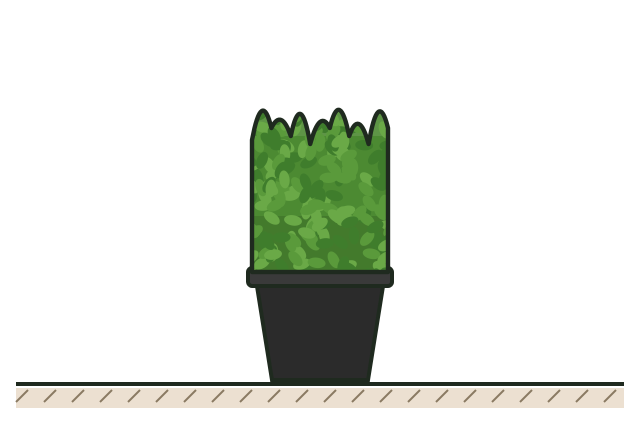
Potted
Plants grown in pots, so they can go in at almost any time of year, as long as they’re watered well in dry spells. Costs more per plant than bare-root.
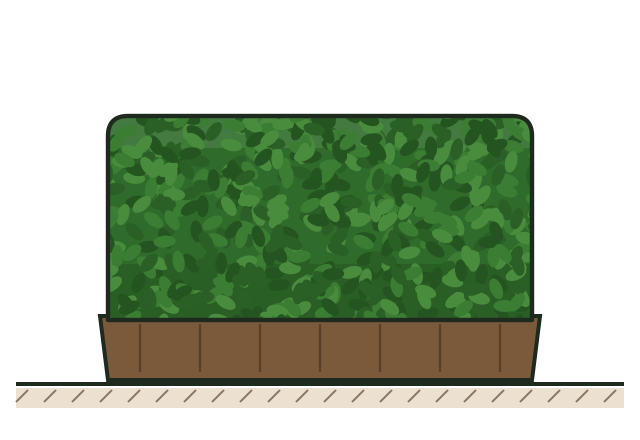
Instant hedge
Ready-grown hedge sections, often about a metre long, that arrive already thick and trimmed. A finished hedge on the day, at the highest price.
Now is bare-root season. November to March is the cheapest time to plant a new hedge.
Common questions
How many plants will I need?
It depends on the hedge and the plant size. Bare-root hedges are usually planted at around 3 to 5 plants per metre, often in a staggered double row. Bigger potted or root-balled plants go in further apart. We’ll work it out for your space when we quote.
When is the best time to plant a hedge?
Late autumn to early spring is ideal, when plants are dormant and the ground is moist. Bare-root and root-balled plants are only available then. Potted plants can go in most of the year with good watering.
Do I need to water a new hedge?
Yes, especially in its first spring and summer. A new hedge has a small root system, so a good soak in dry spells makes all the difference. We’ll talk you through aftercare.
Can you take out my old hedge first?
Yes. We can remove an old or dead hedge, clear the roots as far as practical, and prepare the ground before planting.
What if the hedge I want isn’t in stock?
Plant stock changes with the season and suppliers. Tell us the hedges you like, and we’ll check what’s available and suggest the closest match if your first choice is short.
Will you trim it once it’s growing?
Yes. A new hedge needs light trims in its first years to thicken up. We can keep it on our regular hedge cutting rounds.
Areas we cover
We plant hedges across Derry / Londonderry (Cityside, the Waterside and Culmore), Newbuildings, Eglinton, Limavady, Dungiven, Claudy, Strabane, and over the border in Muff and Bridgend. Not sure if we come to you? Just ask.
Also see hedge cutting, fencing and garden design & transformations.
Get a hedge planting quote
Roughly how many metres, and which hedges you like the look of. That’s enough to get started.